Slug
spermidine-benefits-side-effects-foods
Meta Description
Learn about spermidine benefits, possible side effects, food sources, autophagy research, and healthy aging. A complete beginner-friendly guide.
Spermidine is a naturally occurring polyamine found in human cells and a variety of foods. In recent years, it has gained attention for its potential role in healthy aging, cellular maintenance, and autophagy research.
Although promising laboratory and animal studies exist, human research is still developing. Spermidine supplements should not be considered a treatment or cure for any disease.
What Is Spermidine?
Spermidine is a naturally occurring polyamine involved in several biological processes, including cell growth, protein synthesis, and cellular maintenance.
Your body produces spermidine naturally, but it is also obtained through diet. Research suggests that natural spermidine levels may gradually decline with age, leading to growing interest in dietary intake and supplementation.
1. Healthy Aging Research
Spermidine has become one of the most studied compounds in healthy aging research.
Scientists continue to investigate how it may support normal cellular function during the aging process.
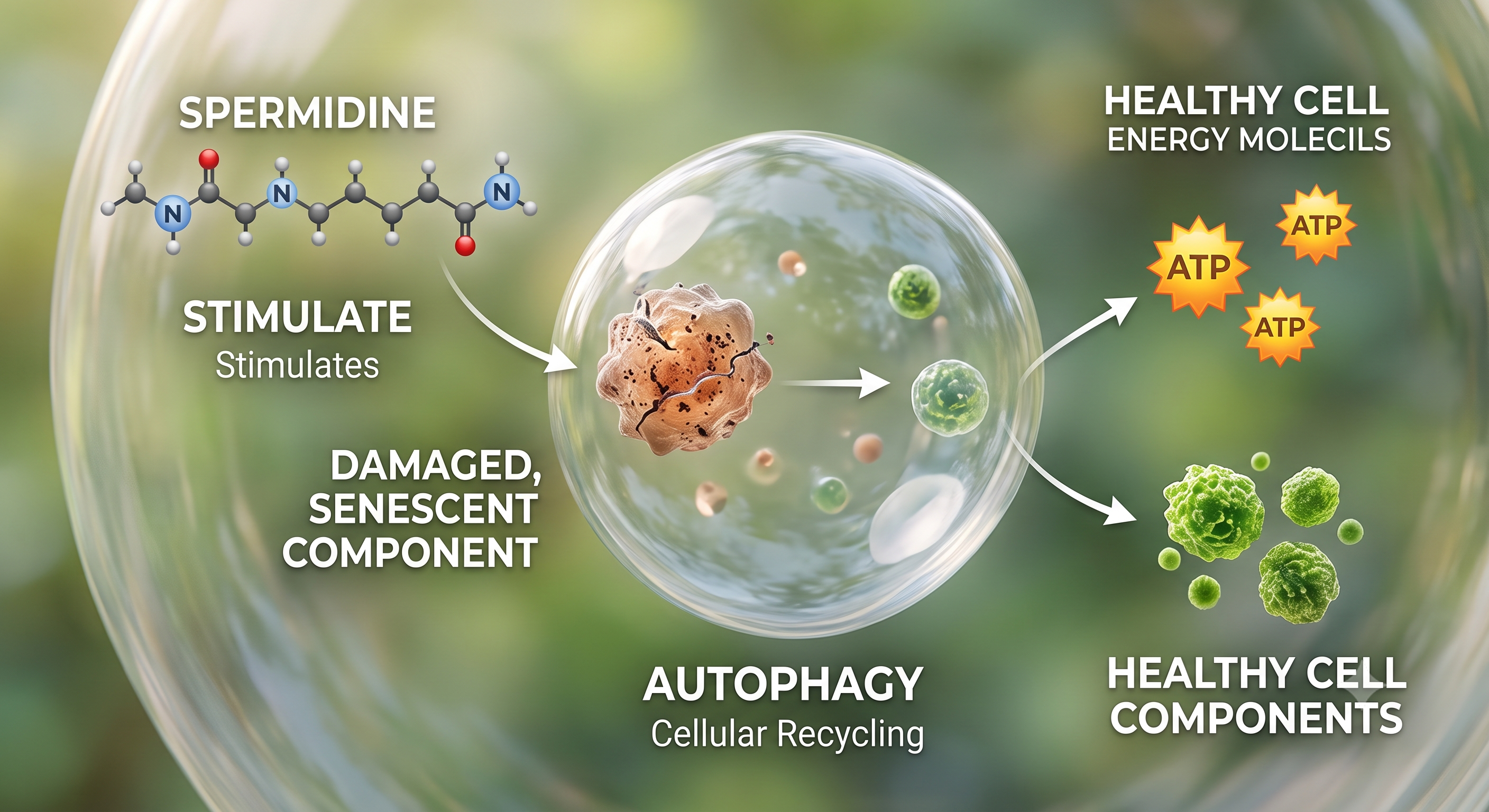
2. Autophagy Research
Autophagy is the body's natural process of removing damaged cellular components and recycling them.
Laboratory studies suggest spermidine may influence this process, although more human clinical research is needed.
3. Cardiovascular Health
Some observational studies have explored possible associations between dietary spermidine intake and cardiovascular health.
However, heart health depends on many lifestyle factors, including diet, exercise, sleep, and overall health status.
4. Brain Health
Experimental research has investigated spermidine's potential role in supporting neuronal function and cognitive health.
These findings are promising but cannot yet be directly applied to human health outcomes.
Foods Rich in Spermidine
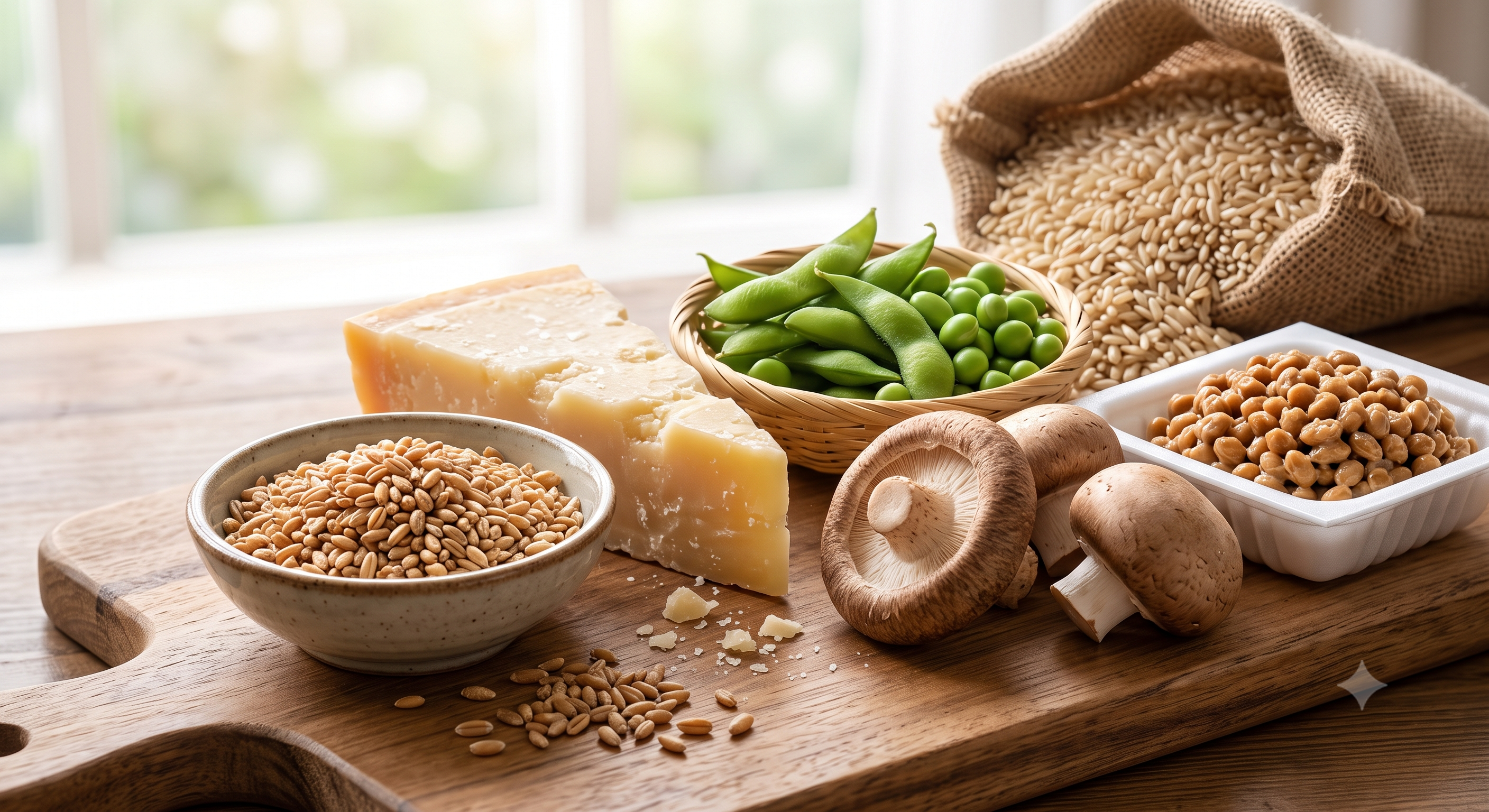
Natural dietary sources of spermidine include:
- Wheat germ
- Natto
- Aged cheese
- Mushrooms
- Soybeans
- Green peas
- Broccoli
- Brown rice
Eating a balanced diet with a variety of plant-based foods may help increase natural spermidine intake.
Possible Side Effects
Spermidine is generally considered safe when consumed as part of a normal diet.
However, dietary supplements may cause mild side effects in some individuals, including:
- Stomach discomfort
- Nausea
- Bloating
- Diarrhea
- Allergic reactions
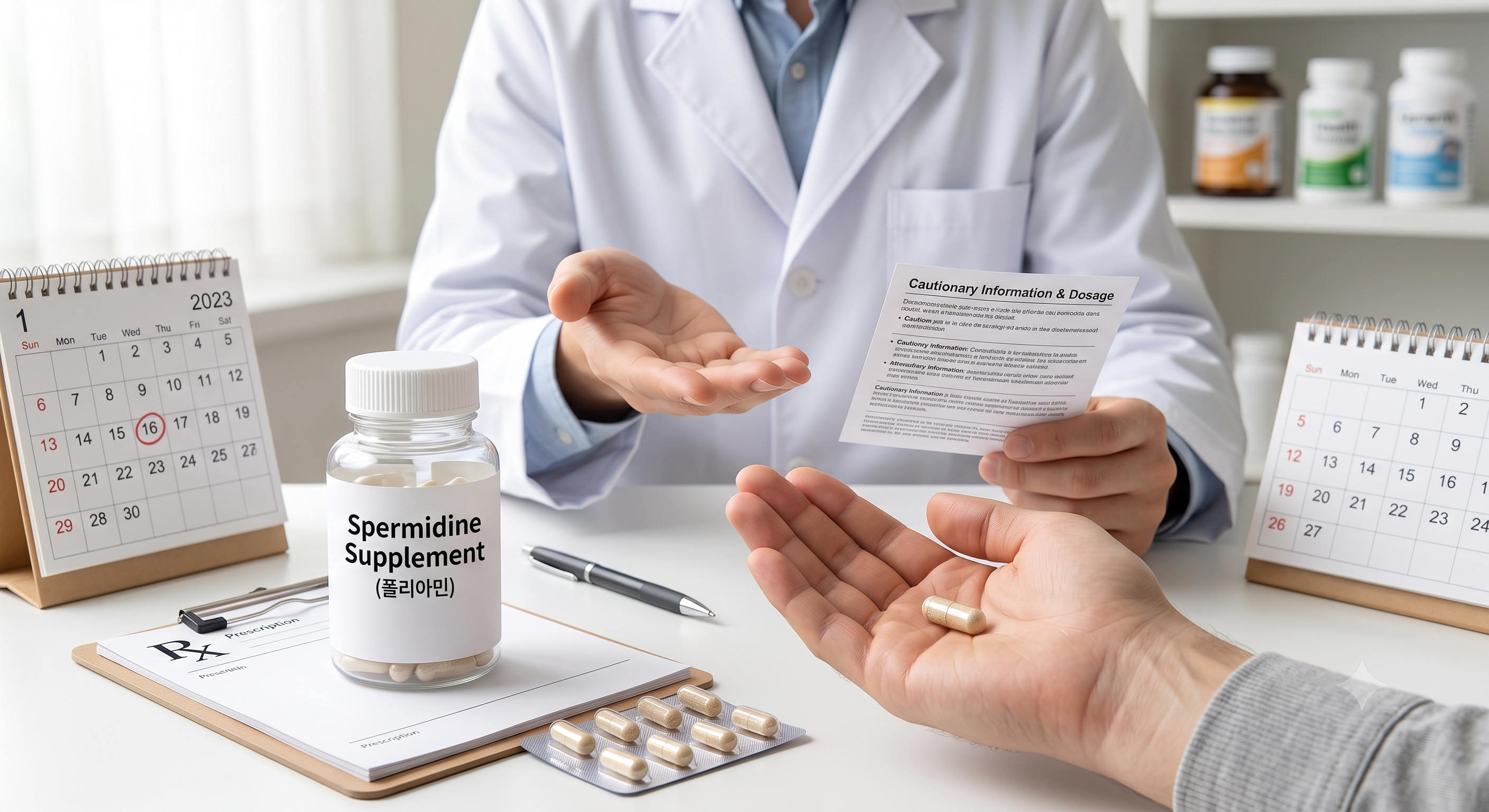
Individuals who are pregnant, breastfeeding, taking prescription medications, or managing chronic medical conditions should consult a healthcare professional before taking spermidine supplements.
Conclusion
Spermidine is a naturally occurring polyamine that has attracted growing scientific interest for its role in healthy aging and cellular health research.
While current findings are encouraging, more high-quality human studies are necessary before definitive health claims can be made.
Maintaining a balanced diet, regular exercise, quality sleep, and healthy lifestyle habits remains the foundation of long-term wellness.
Medical Disclaimer
This article is provided for educational and informational purposes only and should not be considered medical advice. It is not intended to diagnose, treat, cure, or prevent any disease. Always consult a qualified healthcare professional before starting any dietary supplement, especially if you have underlying medical conditions or take prescription medications.